
President Donald Trump is governing as if his approval rating doesn't matter—because, increasingly, it appears it doesn't.
His numbers have cratered in recent weeks, dipping below 40 percent amid economic concerns, military escalation and accusations that he's broken core campaign promises. A Quinnipiac University poll conducted from March 6 to March 8 found Trump's approval mark at its lowest point of his second term.
Other recent polls show similar weakness: Reuters/Ipsos reported 39 percent approval, while NBC News and Fox News polls found him at 44 and 43 percent, respectively. His disapproval consistently exceeds 55 percent across surveys.
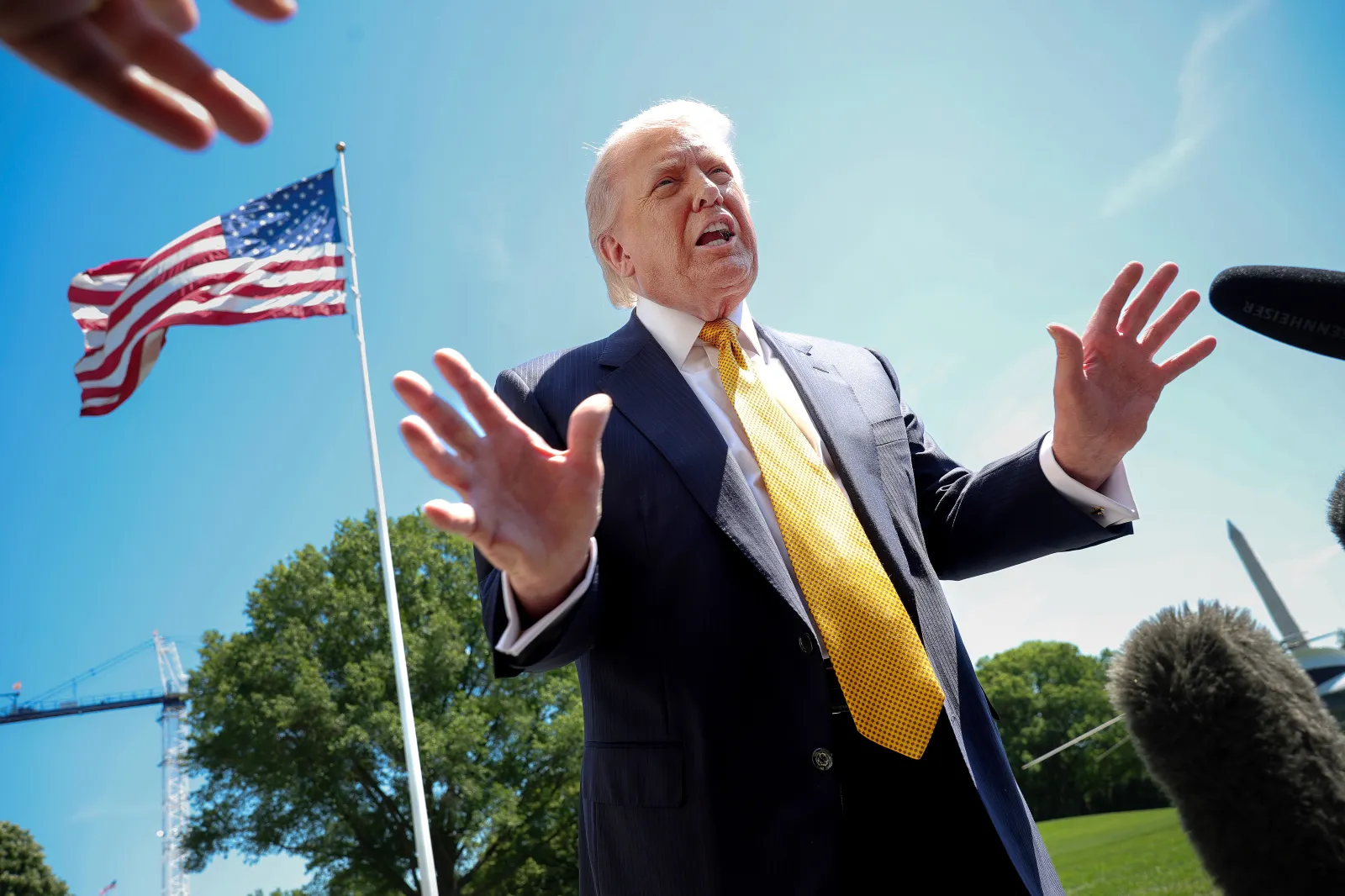


Yet Trump has barreled forward with decisions that would typically send a president into political damage control: a military campaign with Iran, high prices and doubling down on aggressive immigration tactics despite the Minneapolis killings of two American citizens by federal agents.
The pattern has become so pronounced that political observers are struggling to explain it. Sarah Longwell, publisher of conservative news and opinion website The Bulwark, recently said on her podcast that the traditional rules no longer apply to the president.
"Trump doesn't care about making a case to the American people. He doesn't care what we think. He doesn't even care about his poll numbers," she said. "He already won."
Trump himself confirmed this dismissive attitude in a recent interview. "I think that the polling is very good, but I don't care about polling. I have to do the right thing. I have to do the right thing. This should have been done a long time ago," Trump told the New York Post when asked about low approval for the Iran war.
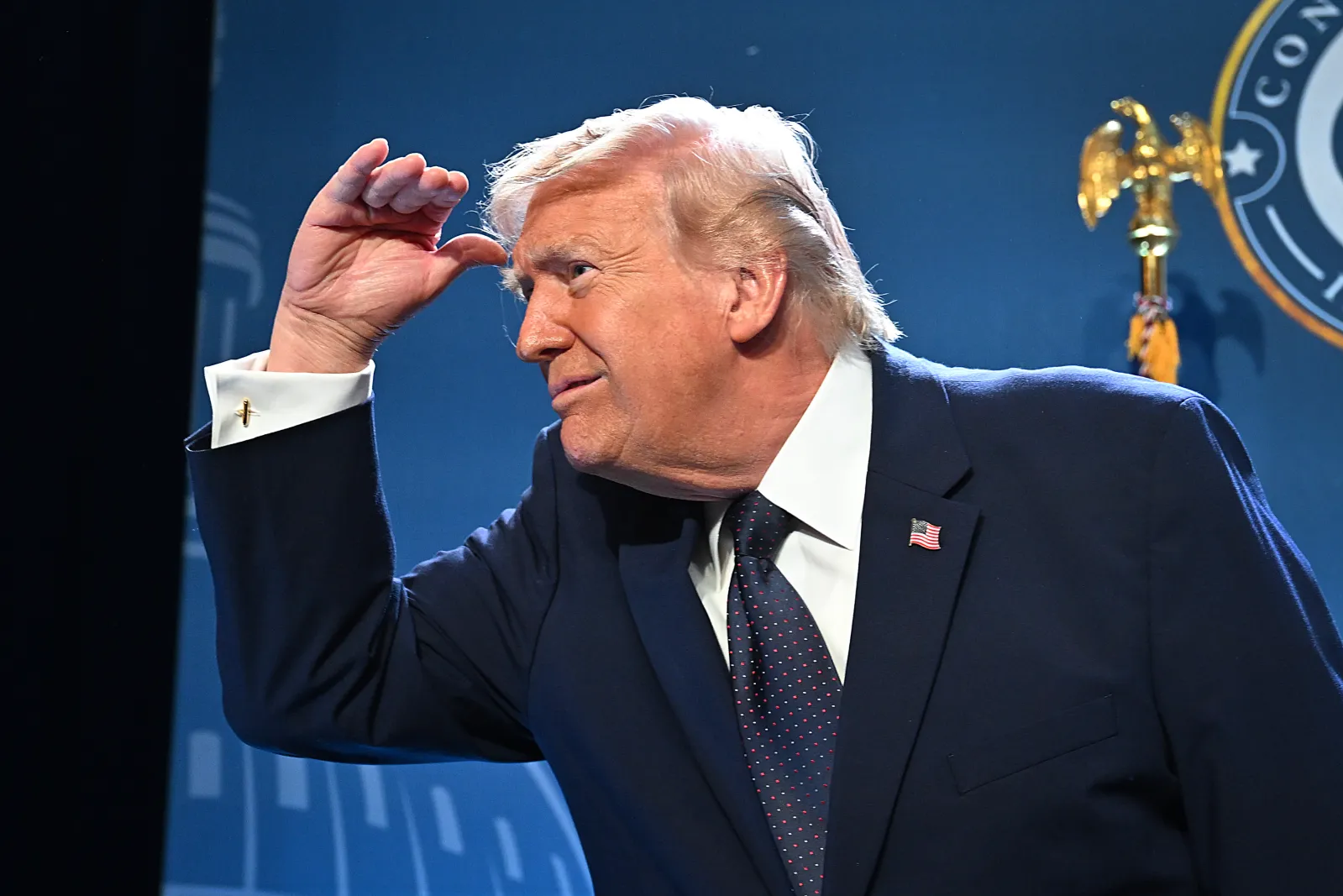
GOP strategists interviewed by Newsweek largely confirmed this observation, though they offered more optimistic framings for Trump's apparent indifference to approval numbers.
"From observing his actions, it appears the only true number he responds to is increasing bond yields," Alex Patton, Republican strategist, said. "His actions suggest he could not care less about his approval ratings and how they may affect the GOP downstream."
No Constraints
Even Trump's most vocal supporters acknowledge that a third term, while theoretically desired by the president, faces insurmountable legal obstacles. This reality potentially frees Trump from political calculations, Longwell said.
Matt Klink, another Republican strategist, outlined a different framework for understanding Trump's agenda. "Donald Trump's personal approval rating has never been relevant to his electoral success or failure," Klink told Newsweek.
"His strength has been in successfully pursuing issues that are priorities for the American people: closing the border, progress on removing illegal immigrants, reduction in crime."
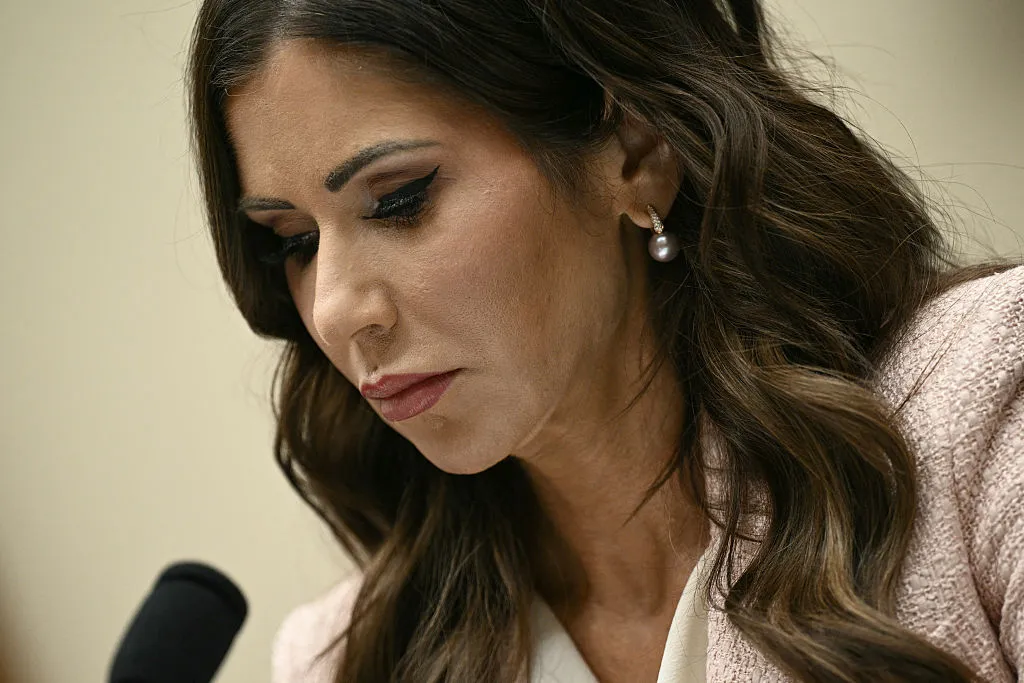
Trump has shown occasional willingness to shift course when his base fractures. Earlier this month, he removed Department of Homeland Security Secretary Kristi Noem after her aggressive immigration enforcement tactics drew backlash, especially after the January killings of Renee Good, a 37-year-old mother of three, and Alex Pretti, an ICU nurse and also 37, in Minneapolis.
Though Trump praised her publicly, calling her removal tied to administrative concerns, Noem's handling of the Minneapolis deaths coincided with a significant decline in his approval rating on immigration.
The administration has also begun emphasizing affordability and cost-of-living concerns, areas where polling consistently showed weakness.
"When something becomes a liability to the broader agenda, Trump is willing to adjust," Patton said. "But only when it threatens the core message."
Yet Klink emphasized that Trump and Republican leadership are focused on the 2026 midterm elections, where historical trends predict the GOP should lose approximately 22 House seats.
"All efforts from the focus on affordability to the war with Iran are focused on improving the GOP's stock in advance of November," Klink said. "The dye is not cast in March, despite what the media and Democrats would like voters to believe."
Building a Legacy
Since assuming office, Trump has embarked on high-profile military and diplomatic campaigns abroad—in Venezuela, Iran and elsewhere—that seem to contradict the America First agenda he campaigned on for years. For some analysts, Trump's pursuit of foreign policy initiatives also signals a shift toward legacy-building.
"Donald Trump, because he cannot run for re-election, is looking at his legacy," Klink said. "Right now, that's as someone who has tried to resolve some of the world's thorniest foreign policy problems and turn around an economy devastated by four years of the Biden-Harris and radical Democrat policies."
This pivot toward legacy and away from immediate electoral calculations distinguishes Trump's second term from his first. In his opening term, Trump repeatedly cited his approval numbers in public remarks, appearing genuinely concerned about how the press characterized his standing. That anxiety is less visible now.
However, not all observers agree that Trump is entirely indifferent to approval ratings. Carter Wrenn, a veteran GOP strategist, says the president deeply cares about one metric in particular: his standing with his base.
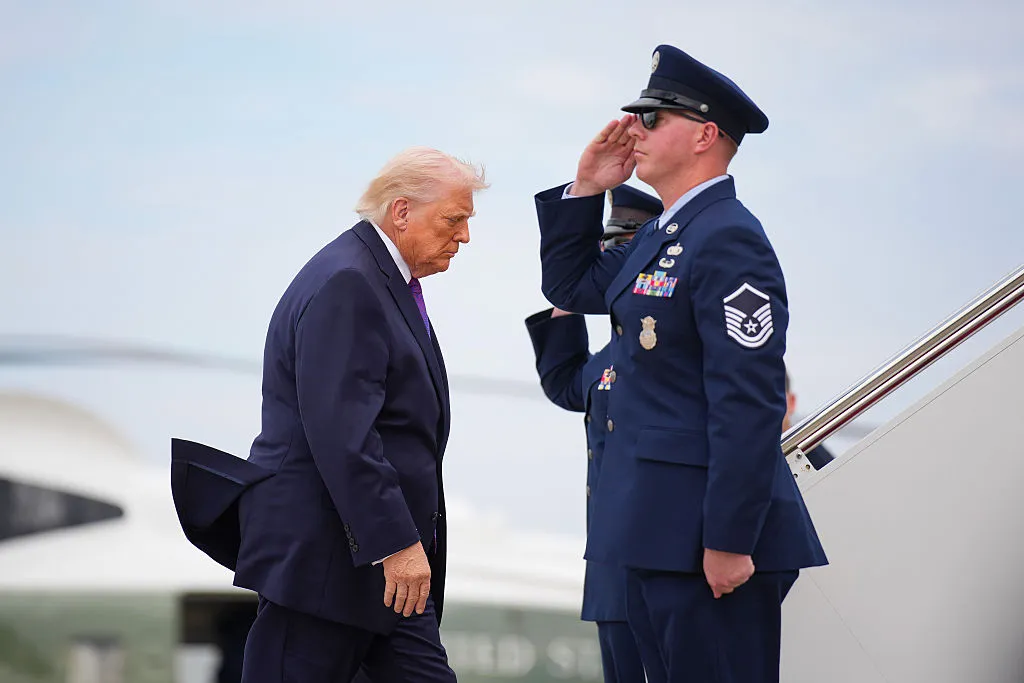
"At heart Trump's, I suspect, a celebrity, and when he looks at the political world through the eyes of a celebrity his 'base' is what he cares about most," Wrenn said. "So yes, he cares about polls and approval ratings but his base matters to him most."
Wrenn distinguished between Trump's overall approval rating and his standing with his core supporters. "If he does something that's unpopular with his base then you could make a case that, since he is term-limited, he doesn't care about approval ratings," Wrenn noted. "But he hasn't done that yet."
The current economic picture adds texture to these calculations. While inflation has moderated from its 2022 peak, energy prices remain elevated and concerns about affordability persist in polling data. Traditional political theory suggests a president with low approval ratings on the economy would pull back from controversial foreign entanglements. Trump appears to be doing the opposite.